What to Look for in a Summer Camp
Written by Robert Lightbody, Director of Enrichment for The Advent School

The end of the school year is almost here, and for many families, that means looking ahead to a summer filled with adventure, creativity, friendship, and discovery. From outdoor games and hands-on projects to new skills and unforgettable memories, summer camp can be a joyful and meaningful experience for children of all ages. But with so many options available, finding the right fit can feel overwhelming — and that’s where we’re here to help.

Local online guides like The Boston Globe and Boston Central are a great place to begin exploring programs in your area. As you start your search, it can be helpful to think about your child’s interests and personality, your family’s schedule, and the kind of camp experience you hope they’ll have. Whether your child is eager to try something completely new or can’t wait to dive deeper into a favorite hobby, the right summer program can help them grow in confidence, curiosity, and connection. Key factors to evaluate include:
Camp Philosophy & Activities
Is your child excited about a traditional camp, which offers a wide variety of activities, or would they thrive in a specialty camp, such as one focused on arts, STEM, or sports?
What is the camp’s overall philosophy? Is it inclusive? Does it emphasize collaboration and community-building? Does it offer opportunities for experiential learning?
Activity Pacing: Find out how much free choice vs. structured, counselor-led activity time is built into the daily schedule, and consider whether the pace fits your child’s learning style.
If the camp or program is held primarily indoors, are there daily opportunities for kids to get outside?
Field trips can be a fun and effective way to expand on what kids are learning, and add a fresh twist to a camp’s schedule. Are their opportunities to explore beyond the camp location?
For speciality camps and programs, it can be exciting – and impressive! – for parents to see what their child has been designing, creating, and building during his/her days at camp. Is there an end-of-camp “showcase” or presentation led by kids that parents can attend?
Safety & Supervision
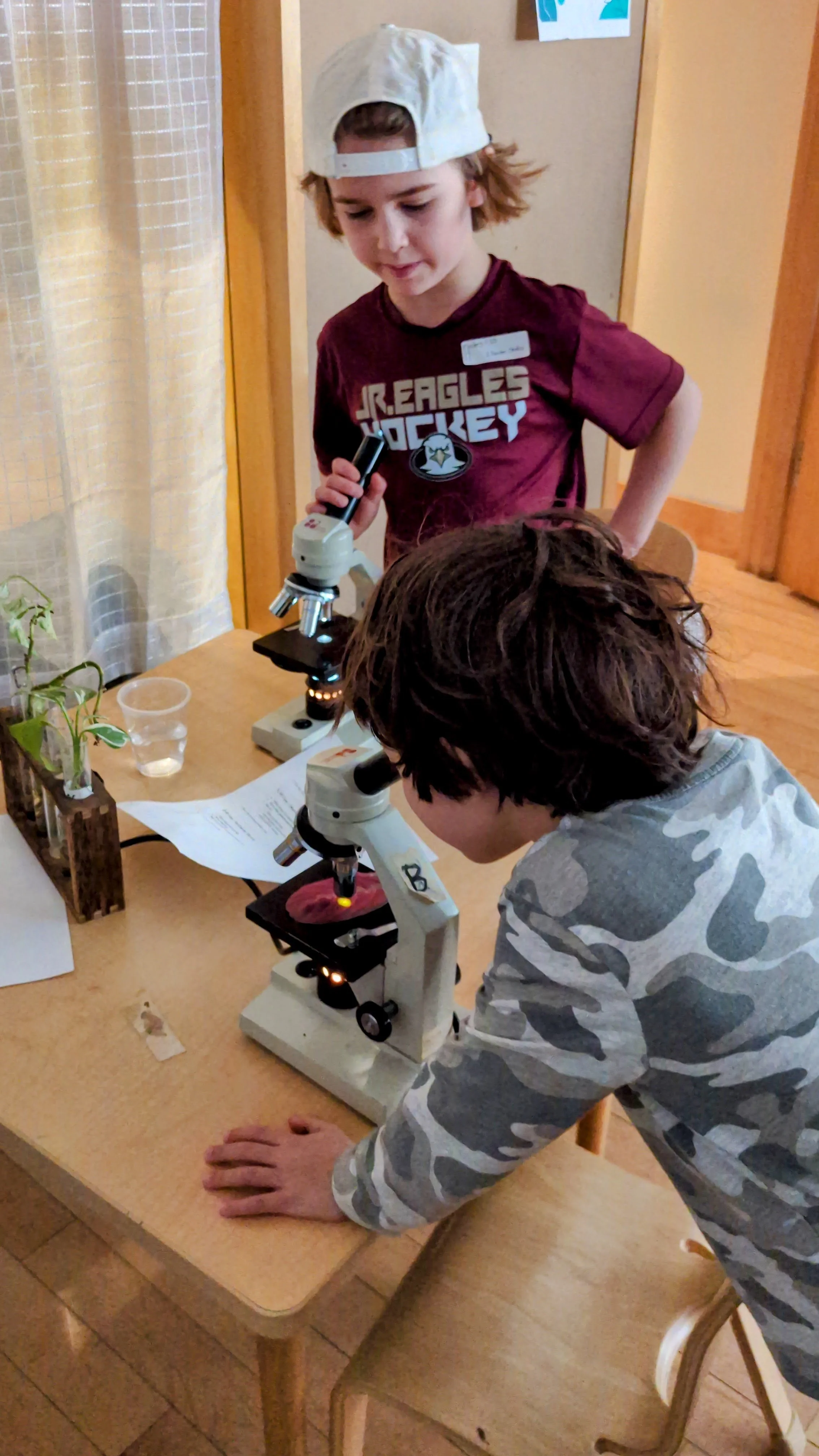
All recreational camps for kids must follow standards set by the Massachusetts Department of Public Health (MDPH) and obtain a license from their local Board of Health. When speaking with camp directors, parents can ask about:
Staff Qualifications: Background checks, pre-season training, and ongoing supervision. Are counselors certified in CPR and First Aid?
Camper-to-Staff Ratio: A lower ratio helps to ensure adequate supervision. A good general benchmark is 1:5 for younger kids and 1:8 for older campers.
Inquire about their medication management and emergency protocols.
Dietary Needs: Ensure the camp can safely handle your child’s food allergies and dietary restrictions.
Logistics, Policies, & Cost
Do the camp’s hours fit with your family’s schedule? If not, is early drop off or late pick up available?
Total Cost: Review what is covered by the tuition, and check if there are extra fees for transportation, extended care, or specific elective activities.
Duration: Are shorter sessions – such as one or two weeks – available for families who don’t need to fill an entire summer?
Communication: How – and how often – does the camp communicate updates, photos, and schedules to parents?
Choosing a summer camp is about more than simply filling the weeks between June and September. The right camp can help children build confidence, discover new passions, form meaningful friendships, and create lasting memories.
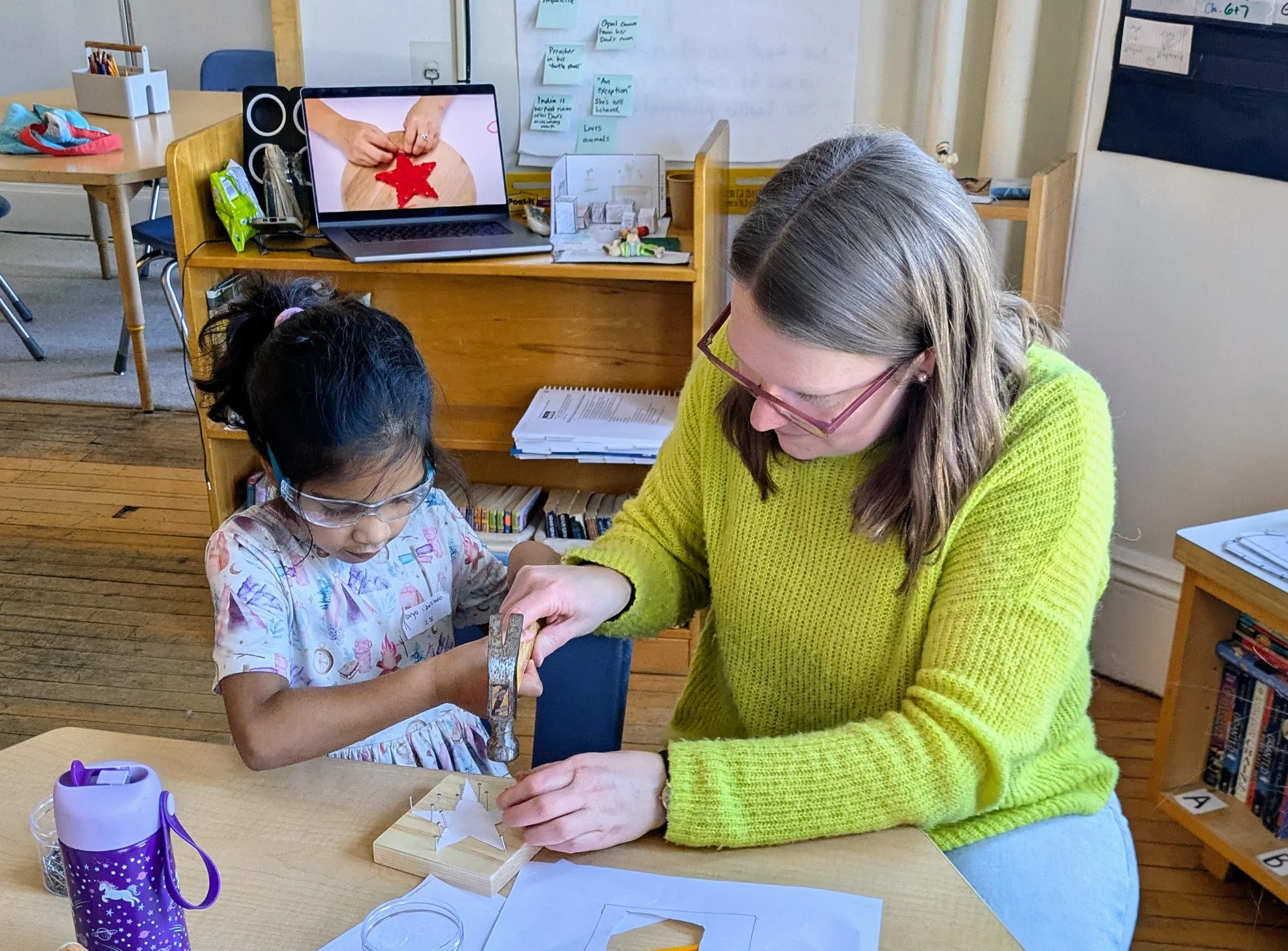
As you explore your options, trust your instincts and involve your child in the process — their excitement and comfort are often the best indicators that you’ve found the right fit. With a little research and thoughtful planning, summer can become a season full of adventure, growth, and joyful discovery for the whole family.
Robert Lightbody is Director of Enrichment at The Advent School, a pre-K to Sixth Grade school in Beacon Hill. This summer, Advent offers a series of two-week STEAM programs for kids ages 5 and up, including Animal Advocates, Color & Illusion, and Make It Miniature, during which kids build, experiment, and create as they develop problem-solving skills and confidence. Learn more at adventschool.org/summer.