
Kalimah Redd Knight, and 108 Years of the League of Women for Community
Interviewed by Irwin Levy, Friends of Titus Sparrow Park Board Member
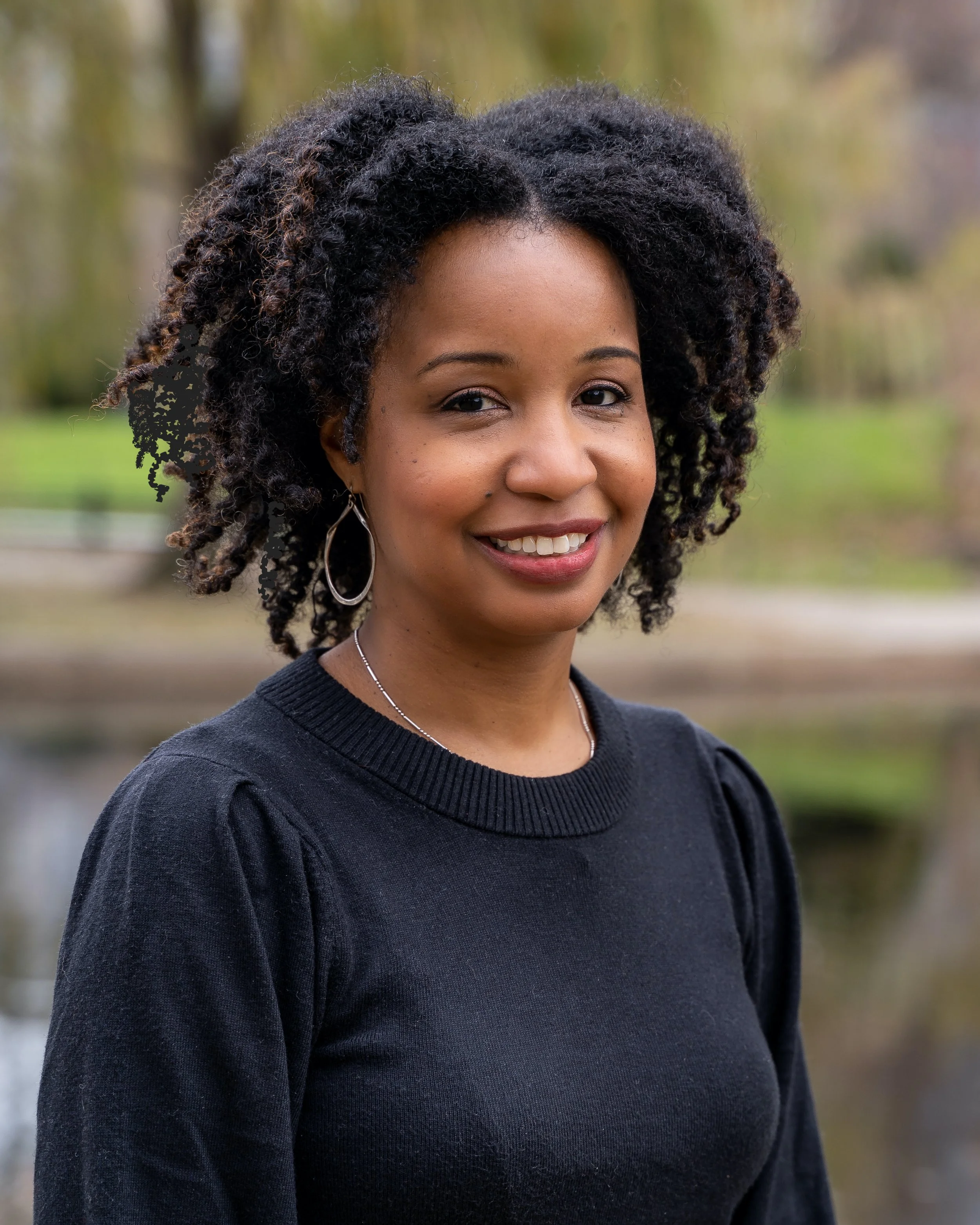
In this Community Corner, I profile Kalimah Redd Knight, president of the League of Women for Community, whose leadership and commitment to preserving the organization’s history are helping shape its next chapter. Through her work to restore the League’s historic headquarters at 558 Massachusetts Avenue and build on its more than century-old legacy of service to Boston’s Black community, Kalimah is helping ensure that this important piece of Boston history continues to serve and bring people together for generations to come.
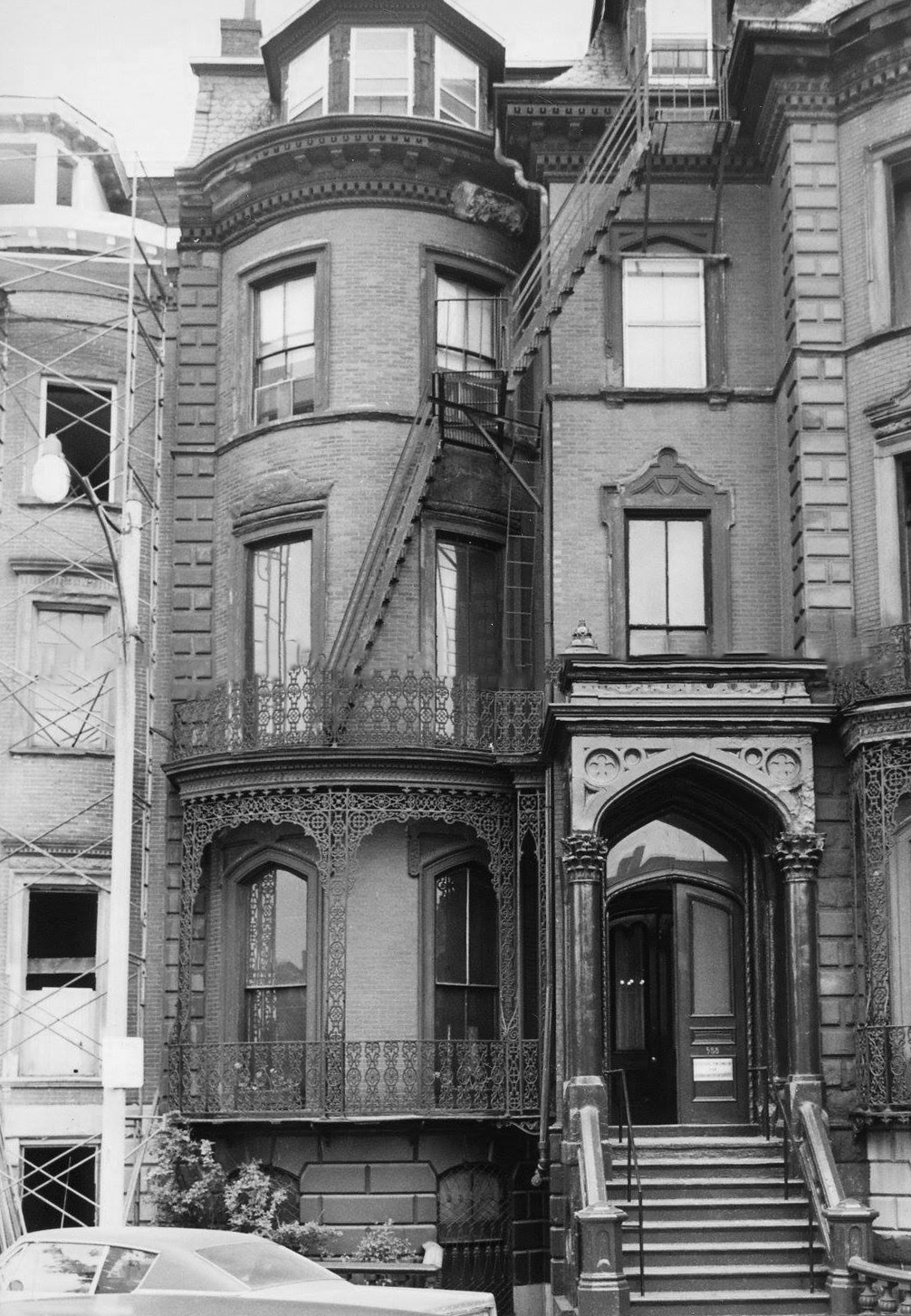
A Building with a History
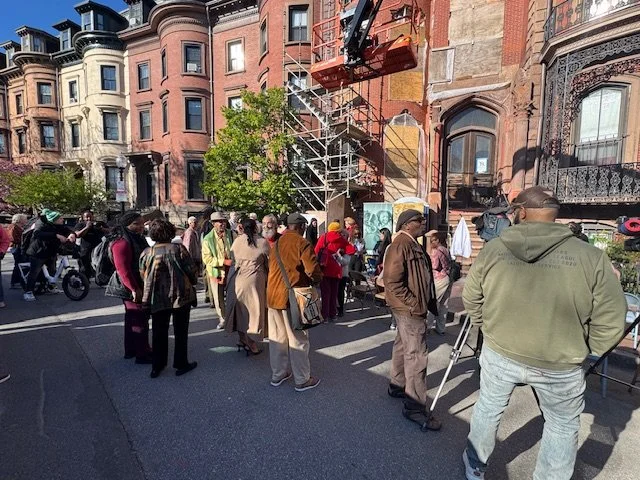
Anyone who has passed along the Massachusetts Avenue corridor has most likely noticed the property at number 558, home of the League of Women for Community (LWCS). The stately brownstone, with windows boarded, columns decaying, and scaffolding obscuring its once-grand facade, has stood quietly in Chester Square for years.
But on this recent day, standing in front of the building with Kalimah Redd Knight, president of one of the nation’s oldest continuing Black women’s clubs, it’s clear that change is underway.
Kalimah says a capital campaign is underway to restore the building, with the LWCS’s volunteer board having raised approximately $2.3 million toward a $7 million cost. The restoration will occur in phases, with a current focus on the exterior of the building.
“We view the building as a living monument to history, and a space that needs to be preserved,” said Kalimah, who grew up in the Roxbury/Dorchester area and works at Tufts University as a senior deputy director of media relations.
A Storied History
The LWCS has a storied history. It was formed in 1918 to undertake civic, social, educational, and charitable work for the benefit of Boston’s Black community, and purchased the building 106 years ago, in 1920.
The League’s founding president was Mariah L. Baldwin, the first Black woman appointed principal of an integrated public school in the Northeast, the Louis Agassiz Elementary School in Cambridge, beginning in 1889.
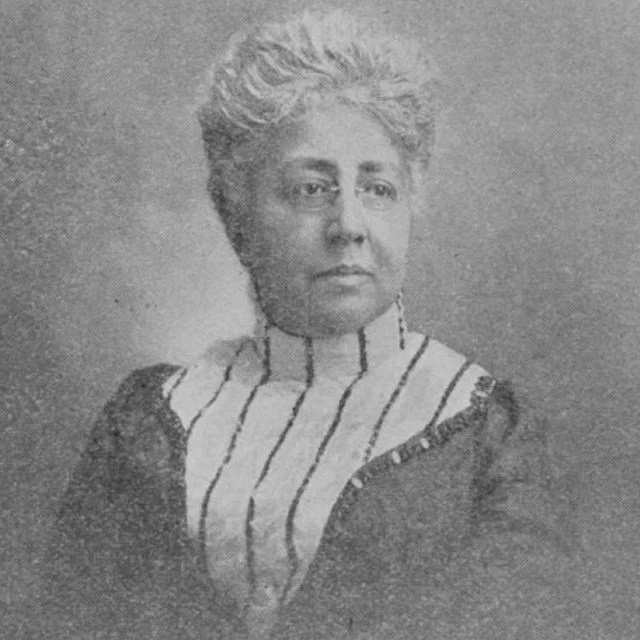
A lecturer and suffragist, Baldwin was described by civil rights icon, educator, and writer W.E.B. Du Bois as “the most accomplished African American woman” based on her educational leadership at the school, a position she held for nearly 40 years. Baldwin tutored Du Bois while he was a student at Harvard, along with William Monroe Trotter and William H. Lewis.
Kalimah told me the organization was founded and made up mostly of affluent professional women, including daughters of abolitionists, many from Boston’s West End and Beacon Hill.
Amidst the numerous artworks and fine furniture, some dating to 1858 and the building’s original owner, the wood importer William Rice, was a sculpture of abolitionist John Brown, apparently gifted to the League by the Boston Athenaeum, who thought of LWCS members as Black Brahmins.
Serving the Community
From the beginning, LWCS has sought to initiate a wide variety of social service programs. From its origin, the League’s founders formed the Soldiers Comfort Unit to render comfort and cheer to Black soldiers stationed in and near Boston during World War I, as the U.S. military was segregated.
Ultimately, the mission pivoted to become more focused on helping girls and women, along with general social welfare programs, such as a school lunch service for the children attending the nearby Dwight, now the Hurley, School on West Springfield Street.
Additionally, the first reading and game room in Boston was set up by the Works Progress Administration (WPA) for community use in the League’s basement.
A Home for Young Black Women
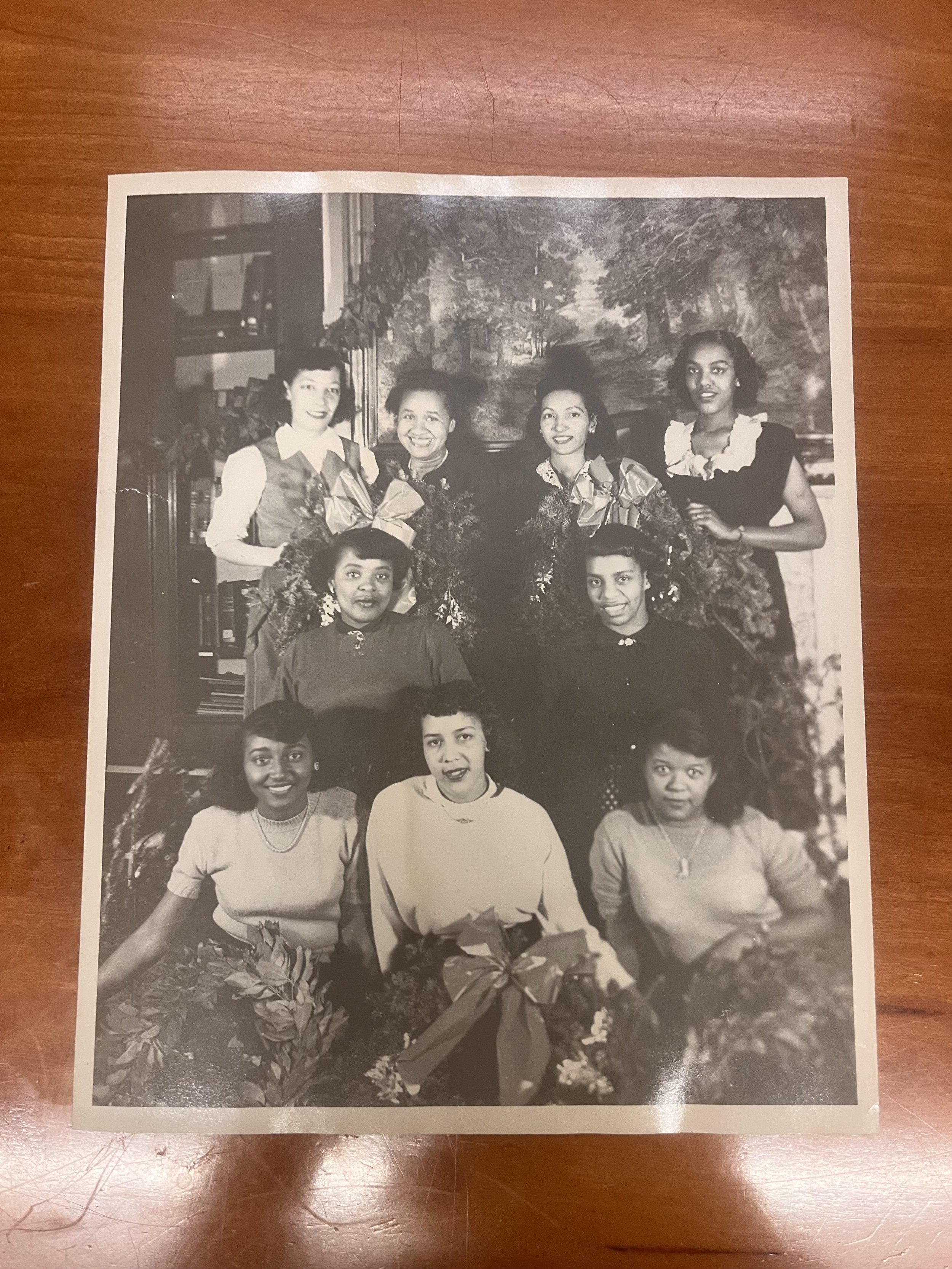
The heyday of the LWCS was probably from the 1920s through the 1950s, according to Kalimah. During the 1940s and 1950s, many African American female students who were not welcomed in their college dormitories lived at the League.
It was home to many young Black women who came North seeking better employment opportunities. One notable resident was a young Coretta Scott, who lived there while attending the New England Conservatory of Music before meeting her future husband, Martin Luther King Jr.
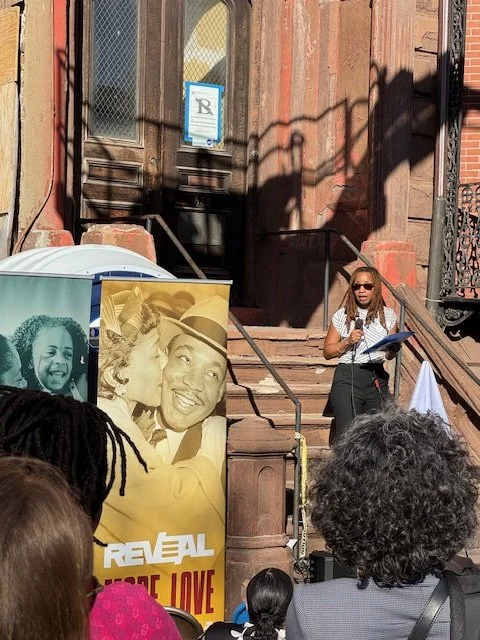
A recent program on April 27 recognized Coretta Scott King’s 99th birthday, while celebrating the League’s inclusion in the Everyone 250 Historical Marker Program. Everyone 250 is building an inclusive vision of the City of Boston and ensuring the nation’s diverse future.
Leading the League Forward
Kalimah was introduced to the League in 2004 by her great-aunt Shirley and served on the Board until 2013. She returned to the League in 2021 as recording secretary before taking on the role of president.
In a recent interview with Historic New England Magazine, Kalimah said, “While recent activities have focused on scholarships and food drives, the future holds much more. The LWCS is actively partnering with organizations to share its story and inspire a new generation of changemakers.”
Kalimah elaborated further about the LWCS’ future. “Once fully restored, the headquarters will become a vibrant community hub. Imagine a space buzzing with educational and cultural programs, community and corporate events, and speaker series, a place for dialogue and collaboration,” said Redd Knight, who graduated from Boston Latin School and Hampton University.
Looking Toward the Future
With the foresight of visionaries to purchase its headquarters in 1920, the challenge of restoration, while daunting, is within its reach.
Under the leadership of Kalimah Redd Knight, it seems to be a natural extension of the LWCS’ more than century-old legacy of overcoming challenges.
Kalimah Redd Knight is helping carry forward the League of Women for Community’s legacy through thoughtful leadership, community engagement, and a deep belief in the importance of preserving its history. That legacy lives on not only in the historic building at 558 Massachusetts Avenue, but in the generations of Black women, girls, and families who have benefited from the League’s work and in the community that will continue to benefit from it for generations to come.
Thank you for reading Community Corner. More stories highlighting the people who make the South End and St. Botolph such a special community are coming soon.
— Irwin Levy, Board Member, Friends of Titus Sparrow Park

